
Butane lighters were invented in 1932. The mechanism — a pressurized fuel cylinder, a flint wheel, a small open flame — has remained essentially unchanged for 93 years.
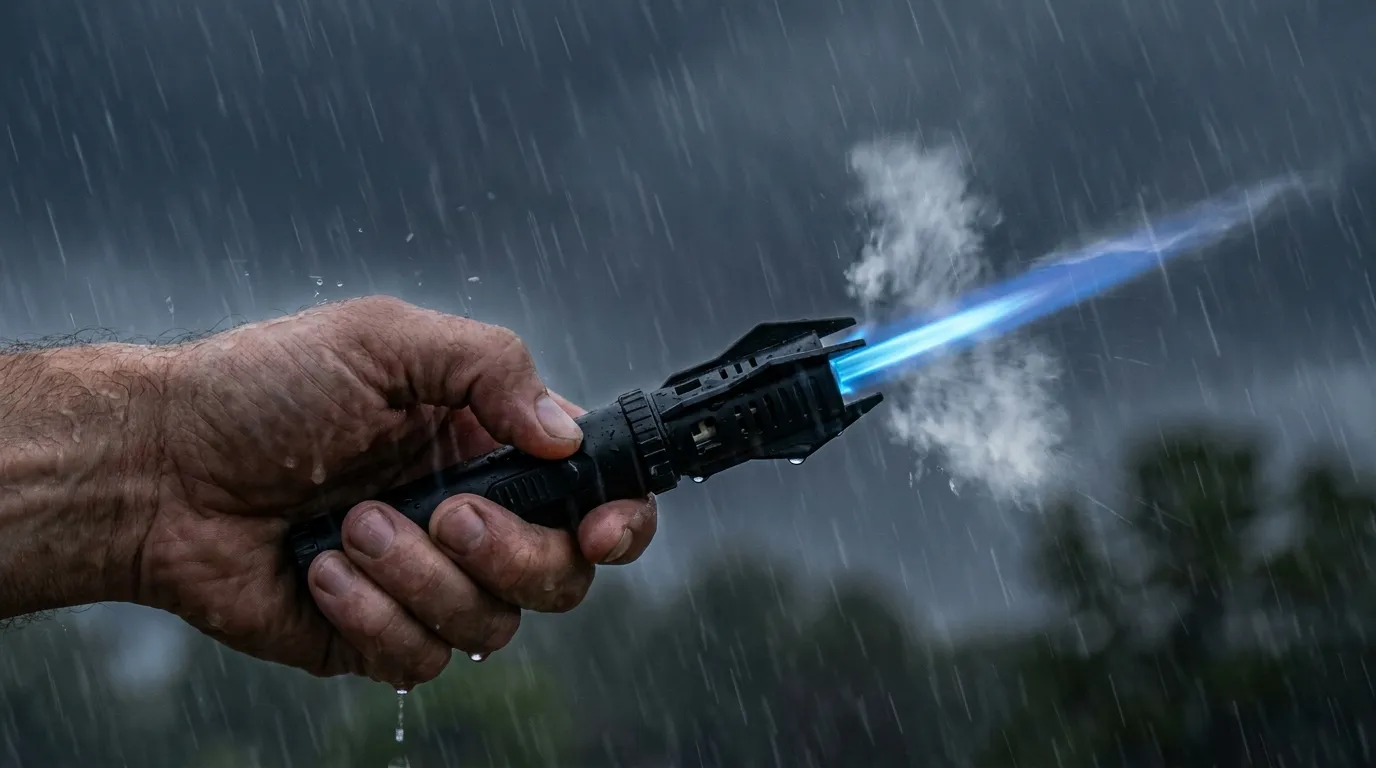
Wind blows the flame out. Cold thickens the butane. Water kills the spark. Drop it on concrete and it cracks. The technology has aged exactly the way every other 1932 technology has aged.
There is a replacement, and it does not use a flame at all.
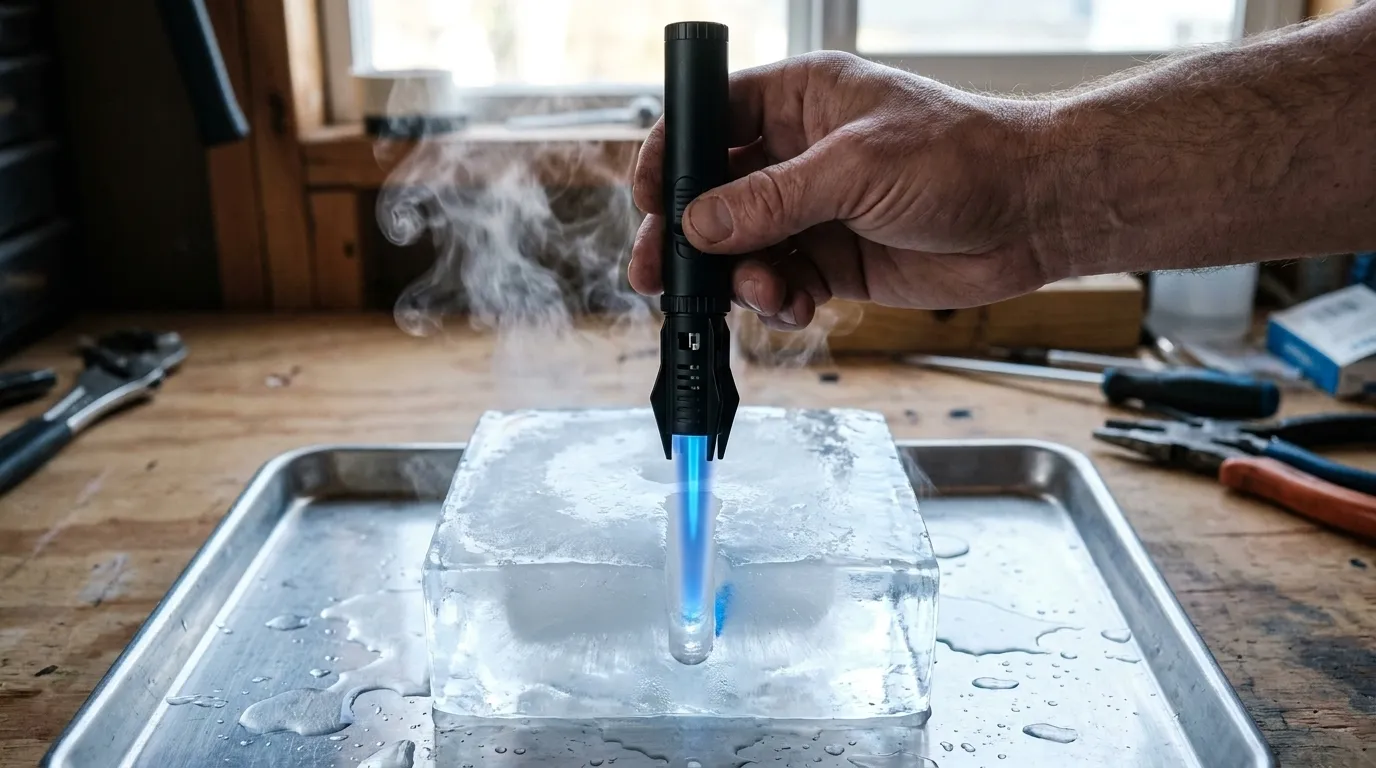
The replacement is called an electric arc lighter — or more technically, a plasma arc lighter. Instead of igniting a fuel, it generates a high-voltage electric arc between two metal electrodes. The arc reaches approximately 1,800°F at its hottest point. It does not require fuel, does not require a flint, and is not affected by wind because there is no flame for wind to blow out.
This article explains what plasma arc lighters are, why they outperform butane in the conditions where butane fails, and what to look for if you are considering switching to one.
By the end, you will understand the underlying technology well enough to evaluate any plasma arc lighter on the market — and to decide whether the upgrade is worth $45 to you.
The Technology — How A Plasma Arc Actually Works
A plasma arc lighter belongs to the same family of high-voltage ionization technology that Nikola Tesla pioneered in the 1890s. The principle is straightforward.
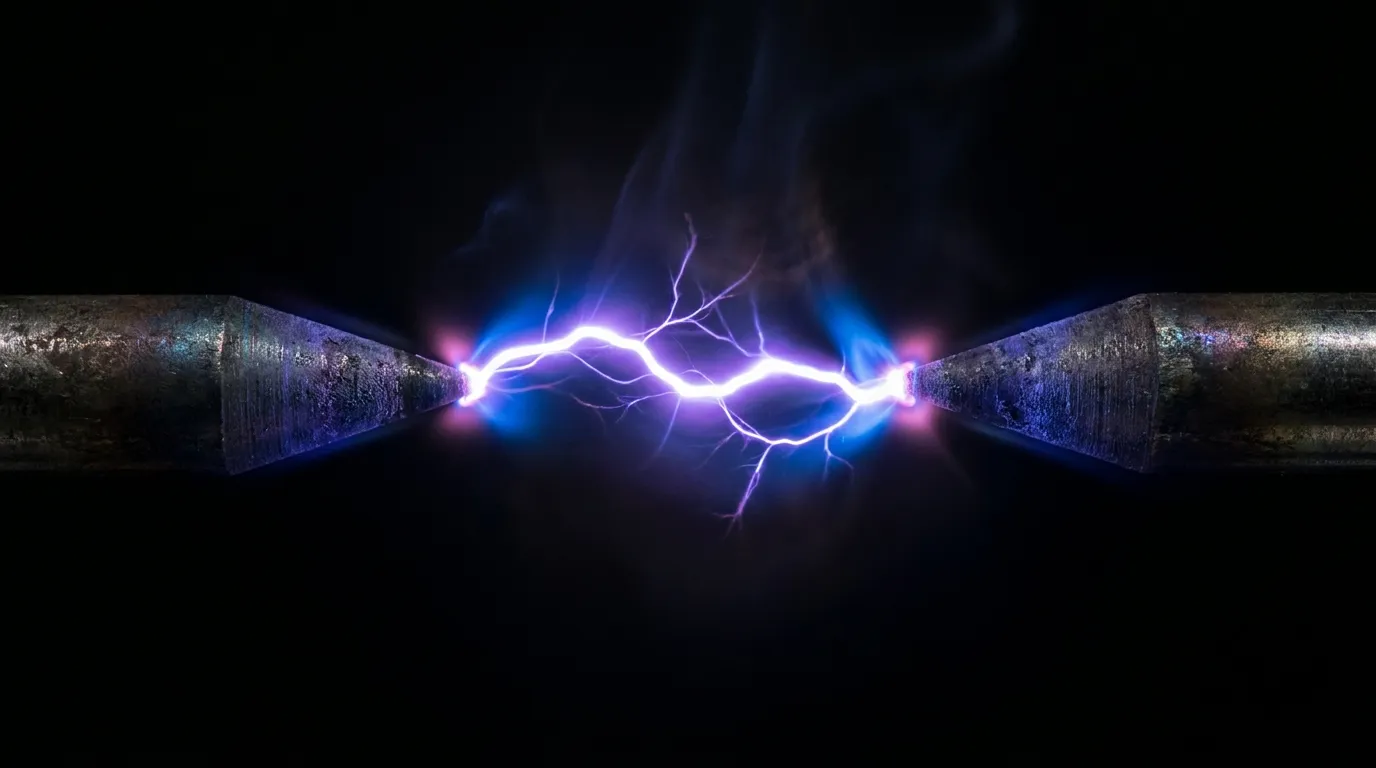
Inside the housing, a small step-up transformer takes the 3.7-volt output from a lithium-ion battery and steps it up to roughly 10,000 to 20,000 volts. That voltage is delivered across two metal electrodes positioned a few millimeters apart.
When voltage that high is applied across an air gap that small, the air itself ionizes — it becomes plasma. Electrons strip free from their atoms and flow across the gap as a visible, electrically conductive arc.
The temperature inside that arc is approximately 1,800°F. The same physics is at work in industrial plasma cutters, in arc welders, and in the spark plugs of every car engine on the road. The miniaturization of the technology — making it fit inside a pocket-sized device powered by a USB-rechargeable battery — is what is new.
To put that 1,800°F number in perspective: flowing lava sits at roughly 1,300°F. A standard butane flame at the wick is approximately 600°F. The plasma arc at the electrode gap is roughly three times hotter than a normal lighter flame, and meaningfully hotter than molten lava. That is not marketing language — that is the temperature physics of ionized air at that voltage.
When you press the button on a plasma arc lighter, you are holding a controlled, miniature version of the same physics that powers a Tesla coil. There is no fuel, no flame, no flint, and no chemical reaction. Just ionized air at 1,800 degrees.
⚠️
Introductory pricing on
IgniteX™ is still active — but stock is moving fast.
Claim Your Discount — Check Availability ➤➤
Where This Technology Came From — The Same Plasma Arc Physics Used In Industrial And Military Applications
Plasma arc ignition is not new technology. It is one of the oldest industrial electrical principles still in commercial use today. What is new is making it small enough to fit in a pocket.
Before this same arc physics ended up in IgniteX™, it was already running in five very serious places.
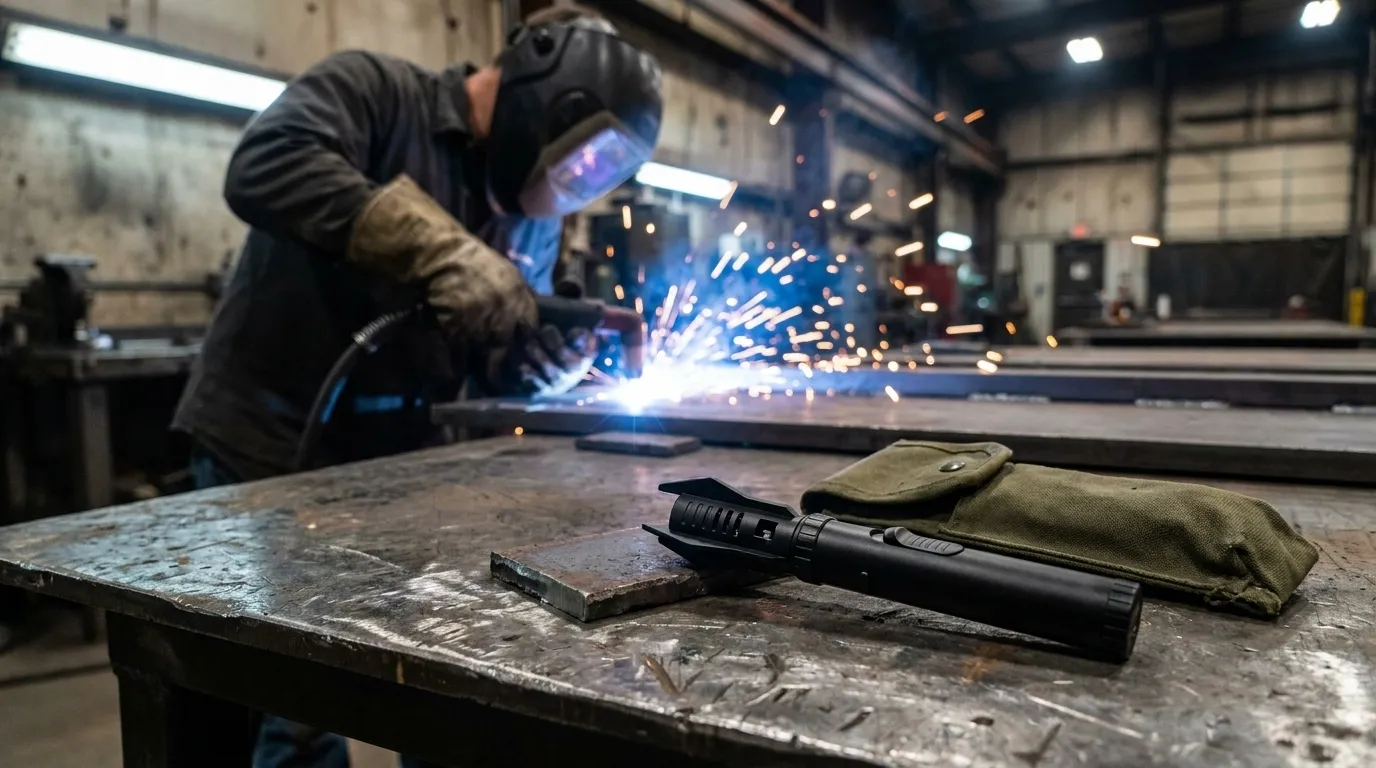
1. Industrial plasma cutters. The arc-cutting machines that fabrication shops use to slice through structural steel run on the exact same underlying physics — ionized gas conducting a high-voltage arc between two electrodes. Industrial cutters scale it up to 20,000°F and tens of amps to cut metal. The pocket-sized version in your hand uses the miniaturized form of the same principle.
2. Arc welders. Stick welding, MIG welding, and TIG welding all create a sustained electric arc between an electrode and a workpiece to melt and fuse metal. Every welder on a construction site is running the same family of ionization physics that powers a plasma arc lighter. The voltage and current are different. The principle is identical.
3. Spark plugs. Every gasoline engine on the road — cars, motorcycles, lawn mowers, chainsaws, generators — relies on a high-voltage arc jumping a small electrode gap to ignite fuel inside the combustion chamber. That is exactly what is happening inside an IgniteX™ at the moment you press the button. The fuel is just different.
4. Military survival kits. Plasma arc lighters have been issued in military survival kits for years for the same reason hunters and backcountry guides switch to them: they fire reliably in conditions where flame-based ignition structurally cannot. Cold weather, wind, rain, altitude. The arc does not care about any of it. Consumer versions of the technology bring the same reliability principle to civilian use.
5. NOLS outdoor leadership programs and search-and-rescue gear lists. The National Outdoor Leadership School — the gold-standard wilderness training program in the United States — recommends plasma arc lighters as primary ignition tools for cold-weather and high-altitude expeditions. Search-and-rescue teams carry them for the same reason. When ignition reliability is a safety issue and not a convenience, the plasma arc is the upgrade.
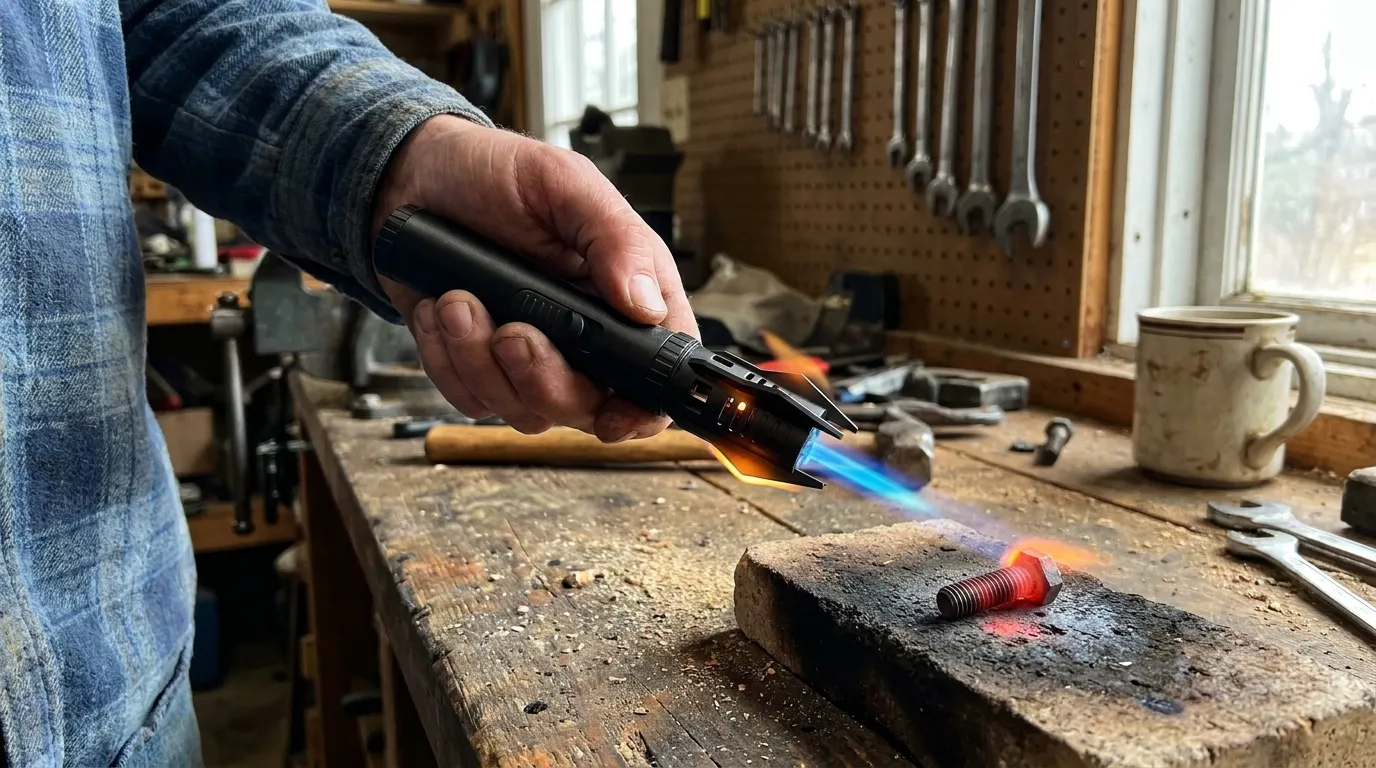
None of this means IgniteX™ is a military device, an industrial tool, or a survival appliance. It is a consumer product built around the same underlying physics those serious applications use. The same way a quartz watch on your wrist uses the same piezoelectric principle as the timing oscillator in a satellite — the physics is shared, the form factor is different, and the consumer benefits from the engineering lineage.
The point is simple. Plasma arc is not a marketing gimmick. It is the technology you already trust every time you start your car, every time you light a backyard fire pit with a long-stem lighter at the hardware store, and every time you watch a fabrication shop cut a steel plate. IgniteX™ just puts that same family of physics into a pocket.
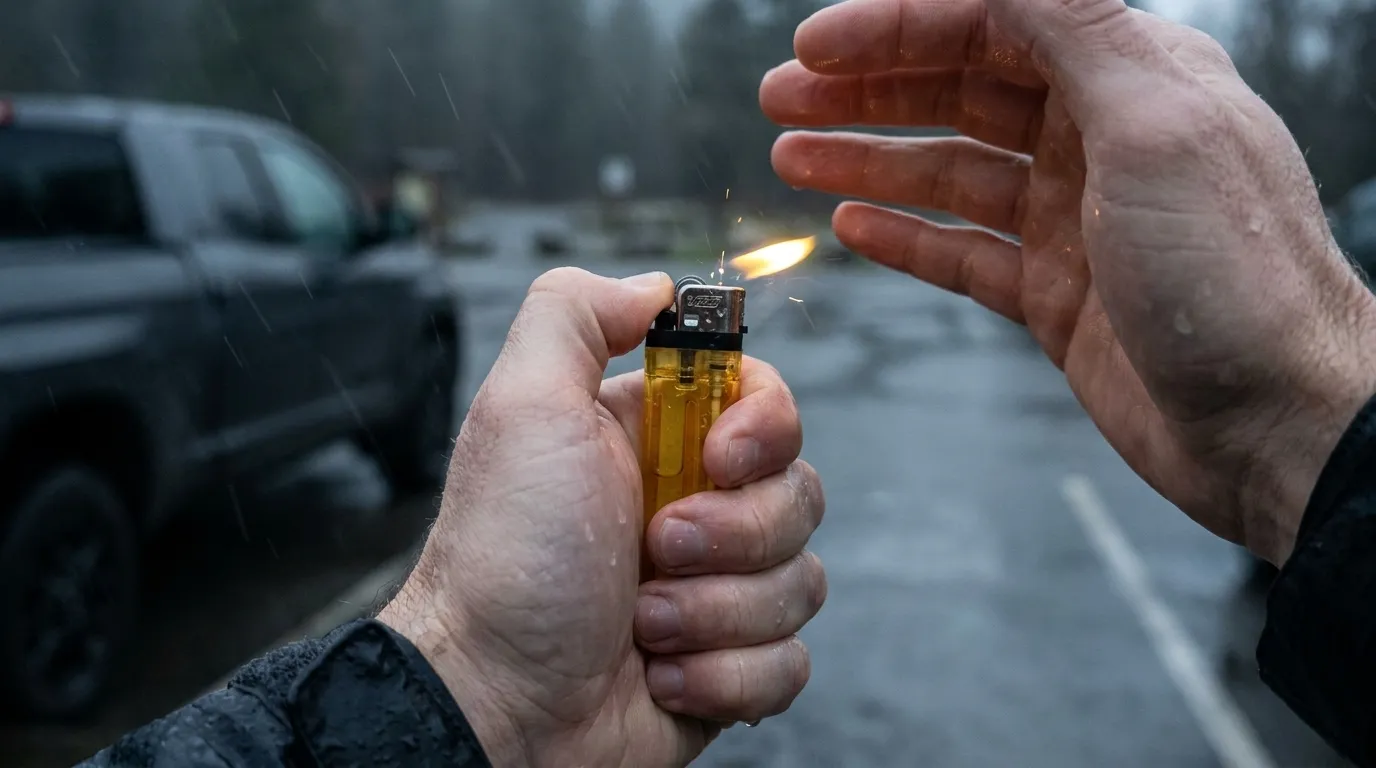
Why Butane Fails — And Why Plasma Arc Doesn't
A standard butane lighter works by releasing pressurized gas across a small flint-and-wheel ignition. The wheel scrapes off tiny particles of ferrocerium, which ignite from friction. The resulting spark ignites the gas stream. The flame is what does the work.
This mechanism has three structural weaknesses.
Weakness 1 — The flame is exposed. A small open flame is one of the most fragile combustion events in everyday use. Any moving air faster than approximately 6 miles per hour disrupts the fuel-oxygen mixture enough to extinguish the flame. This is why a standard lighter fails on a windy hillside, in a moving vehicle, or on a boat. There is no way to engineer around it without enclosing the flame, at which point it stops being a lighter.
Weakness 2 — Butane is temperature-sensitive. Liquid butane boils at 31°F. Below freezing, the vapor pressure inside the cylinder drops significantly, which is why standard lighters become harder to ignite in cold weather and frequently fail to spark at all below 20°F. Hunters, ice fishermen, and winter campers all deal with this every year.
Weakness 3 — The flint wears. Ferrocerium is consumed every time the wheel turns. A typical disposable lighter has roughly 3,000 ignitions of flint material. Once it wears out, the lighter is dead even if there is butane remaining. Most users throw the entire unit away.
A plasma arc lighter eliminates all three of these weaknesses because none of the underlying mechanics apply. There is no flame to blow out. There is no fuel that becomes sluggish in cold. There is no flint to wear out. The arc is generated electrically and behaves the same at 90°F or -10°F.
This is the reason plasma arc lighters have become standard issue in military survival kits, NOLS outdoor leadership programs, and serious EDC gear lists. They solve a problem that butane structurally cannot solve.
What To Look For — The Five Things That Matter In A Plasma Arc Lighter
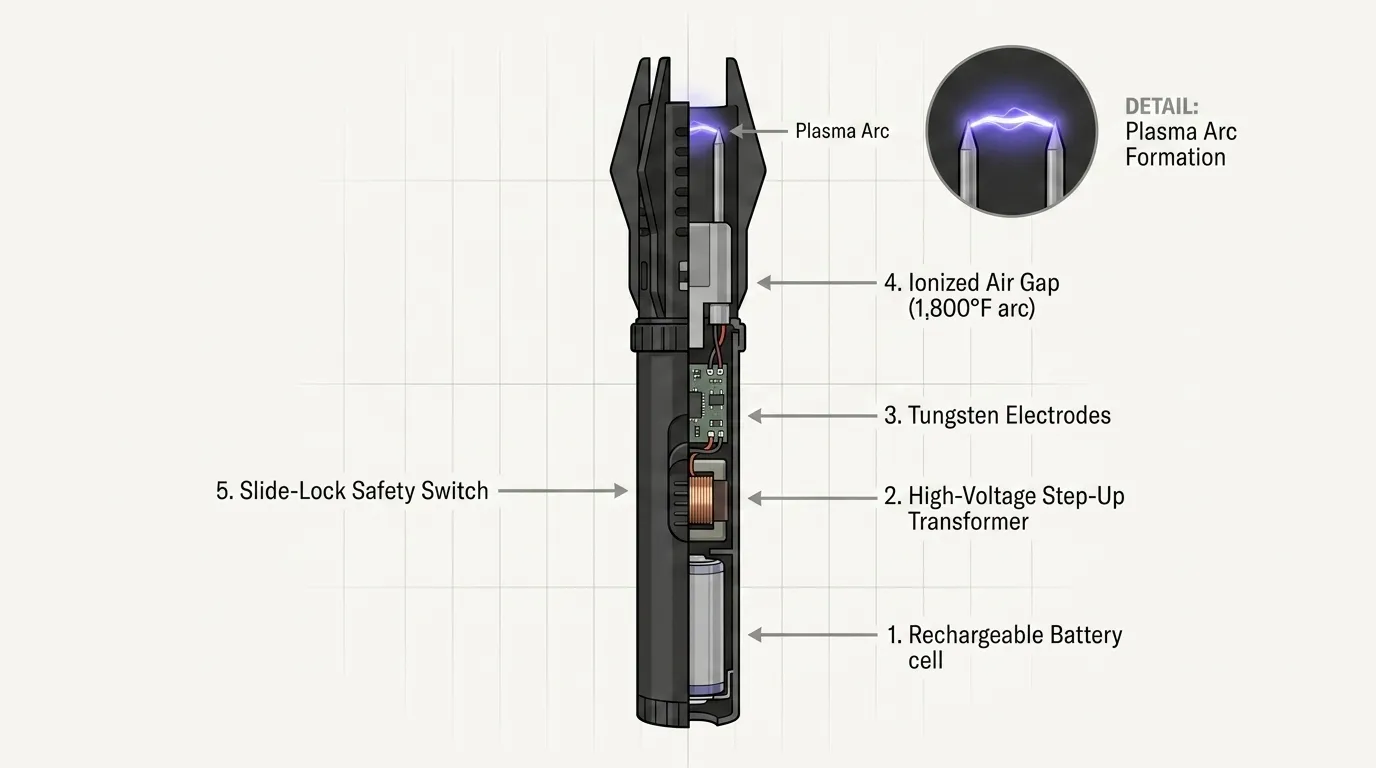
Not all plasma arc lighters are built equally. Most of what is sold at gas stations and on low-end ecommerce listings is made cheaply enough that it fails within a few months. Choosing a unit that lasts requires checking five specific things.
1. Arc geometry. Single arc, dual arc, or cross arc. A single arc is cheapest but struggles with anything larger than a cigarette tip. A dual arc provides two parallel arcs that ignite a wider area — better for cigars, candles, kindling, and stoves. A cross arc creates an X-pattern that ignites the widest area but consumes battery faster. IgniteX™ uses a dual-arc configuration — the most practical balance for outdoor and EDC use.
2. Battery capacity. Cheap units use 200–300 mAh batteries that deliver around 50 ignitions per charge. Better units use 500–800 mAh batteries that deliver up to 300 ignitions per charge. IgniteX™ is in the latter category. A USB-C charge to full takes approximately 90 minutes.
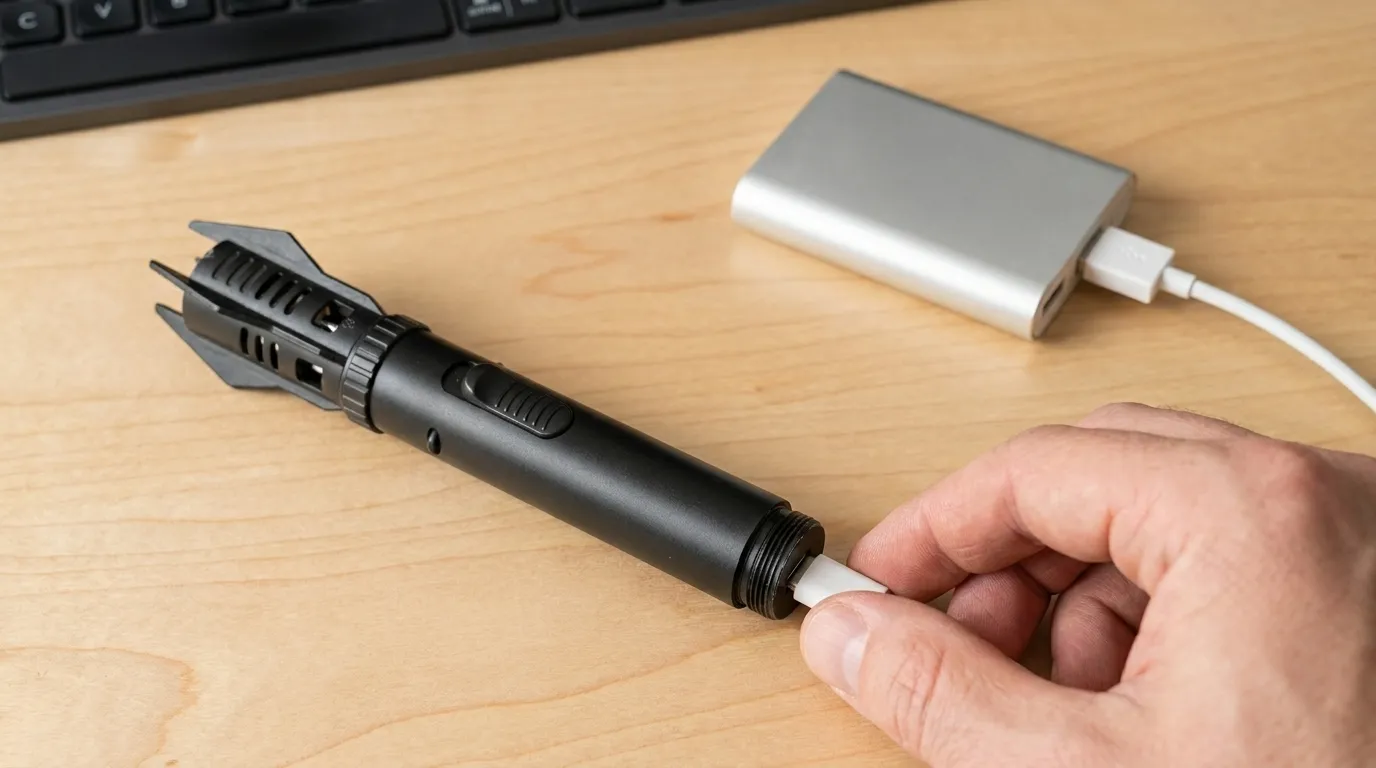
3. Housing material. Plastic housings crack and fail. Zinc alloy is the minimum acceptable standard. Aluminum is lighter and more corrosion-resistant. Both should be sealed against water ingress with a rubber gasket at the seam. IgniteX™ uses a sealed zinc-alloy housing rated for accidental submersion.
4. Safety lock. Without a physical safety lock, a plasma arc lighter can discharge inside a pocket if the button is pressed against clothing or other gear. This is not a hypothetical risk — it is the single most common complaint about cheap units. IgniteX™ has a slide-lock that physically prevents button activation when engaged.
5. Electrode quality. The two metal prongs that generate the arc wear over time. Cheap units use low-grade steel that pits and corrodes within weeks of regular use. Quality units use tungsten or tungsten-coated electrodes that maintain conductivity for years. IgniteX™ uses tungsten-tipped electrodes.
The difference between a $9 gas-station plasma lighter and a quality unit like IgniteX™ is not the technology — both use the same underlying principle. The difference is the five things above. Most buyers do not know to ask about any of them.
Performance In The Field — What Plasma Arc Actually Does Where Butane Quits
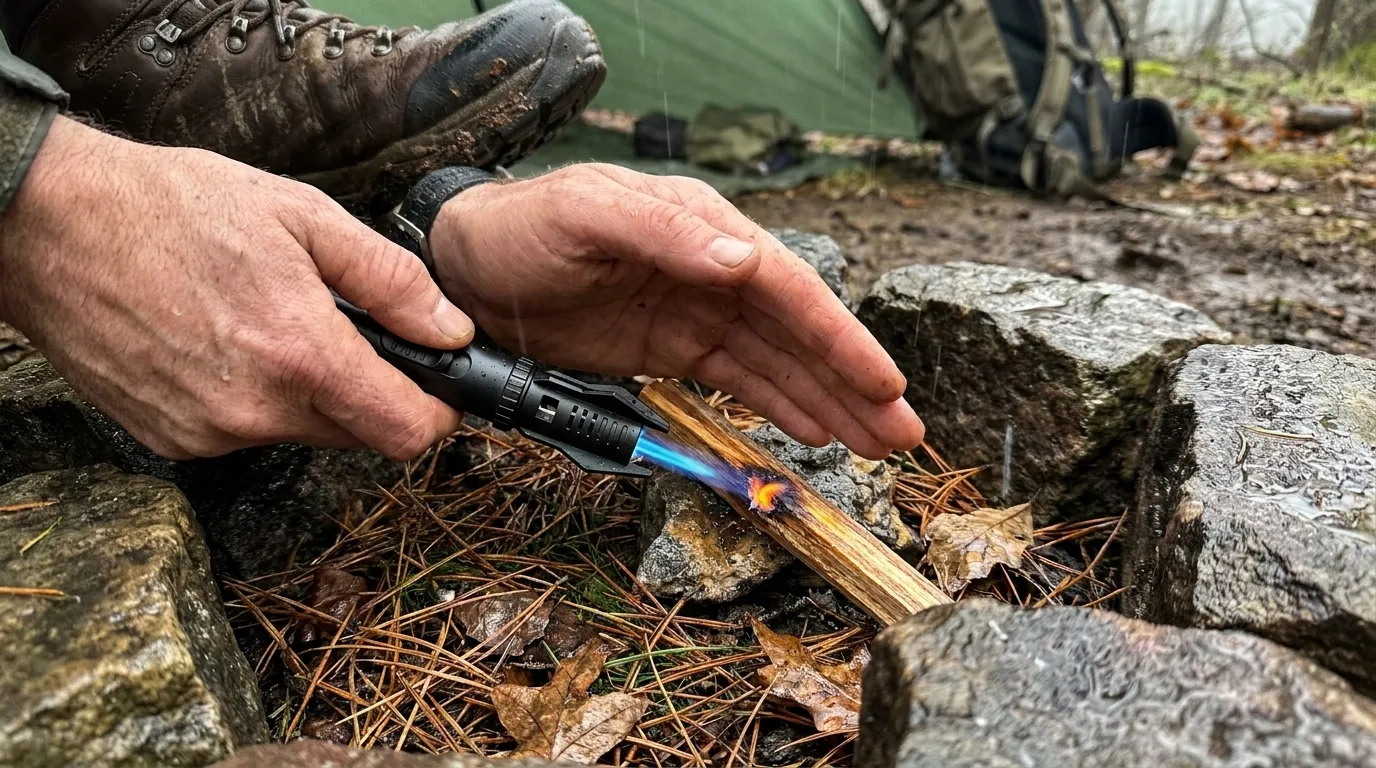
The interesting thing about plasma arc lighters is not how they perform in normal conditions — every lighter works on a kitchen counter. The interesting thing is what happens at the edges, where butane structurally cannot compete.
In sustained wind. Butane lighters become unusable above approximately 6 mph of sustained wind. A plasma arc lighter is functionally unaffected by wind up to and beyond hurricane force, because wind cannot interact with an arc the way it interacts with a flame. Tested behavior is identical at 0 mph and 40 mph.
In cold weather. Butane vapor pressure drops below useful levels around 20°F. A plasma arc lighter is constrained only by the lithium-ion battery, which performs reliably down to roughly 0°F and marginally below. For hunters in cold climates this is often the deciding factor.
In rain. A butane lighter exposed to driven rain typically fails as water contaminates the fuel port or the flint wheel. A sealed plasma arc lighter with a proper gasket is functionally waterproof. The IgniteX™ housing has a rated seal at the seam and is unaffected by sustained rain.
On damp tinder. The concentrated heat of a 1,800°F arc applied to a single point of damp tinder evaporates surface moisture faster than a spread-out butane flame. Field reports consistently describe damp wood and damp birch bark igniting from a sustained arc contact where a butane flame would have failed.
On hard surfaces. A metal-cased plasma arc lighter survives drops onto concrete that destroy a plastic butane lighter immediately. This matters more than it sounds — most lighter failures in the field are not running out of fuel, they are physical damage.
None of this is magic. It is the predictable result of using a different physical principle to generate ignition. The flame era is ending the same way the kerosene era ended.
What You'll Actually Use It For — The Real Daily Applications
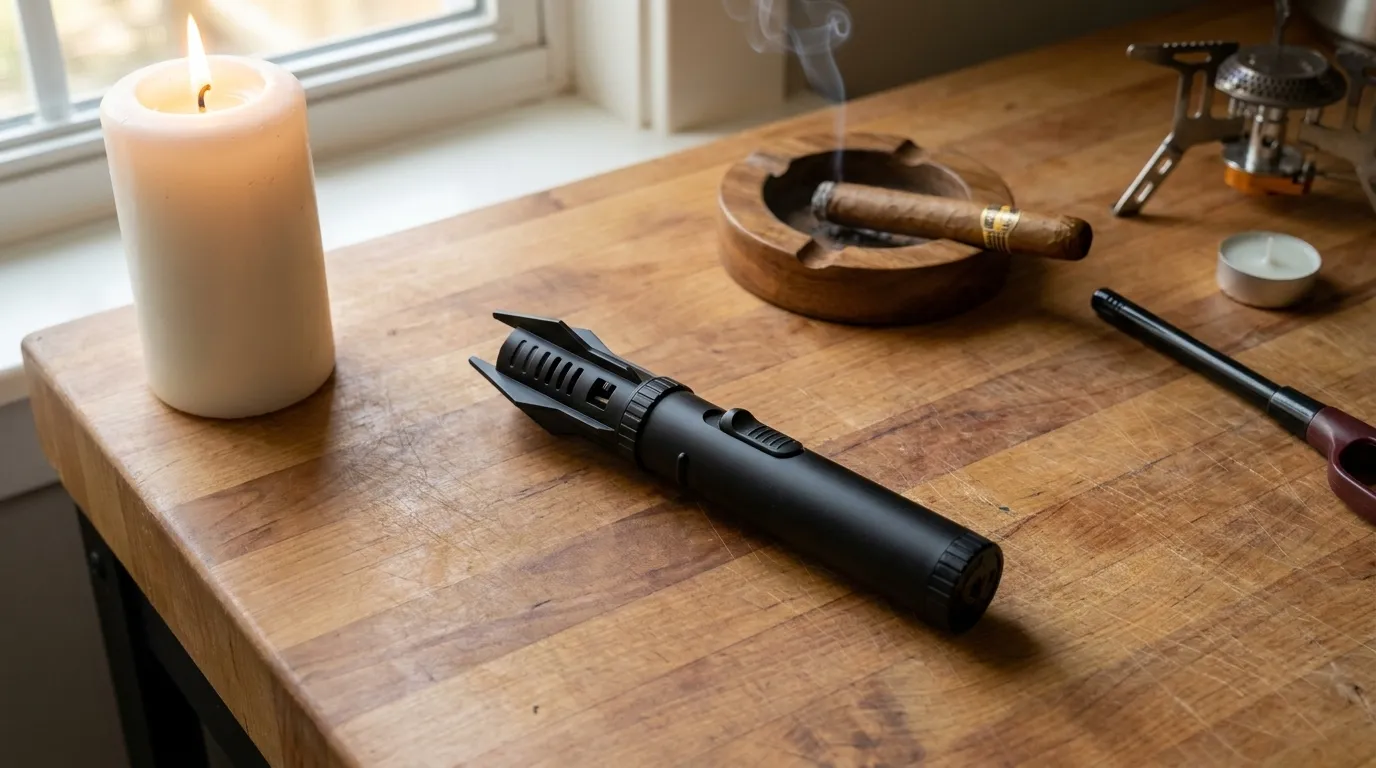
The marketing for plasma arc lighters focuses on extreme conditions, but most owners use the lighter for the ordinary tasks that disposable lighters fail at every day. The 1,800°F dual arc handles all of them without complaint.
Cigars and pipes. The dual-arc geometry delivers a wide, even ignition pattern that lights the full diameter of a cigar without scorching the wrapper or imparting butane taste. Pipe smokers report the same advantage with bowl tobacco. The arc is hot enough to ignite the leaf cleanly, fast enough that you are not holding the button for an uncomfortable amount of time.
Cigarettes. The traditional use case — outdoors, in wind, on a moving boat, at a tailgate in cold weather. The places where a Bic fails most reliably are the places a plasma arc fires first click.
Candles. Long taper candles, deep jar candles where a normal lighter cannot reach the wick, birthday candles, emergency candles during a power outage. The dual arc reaches into the jar; the heat catches a stubborn wick instantly.
Gas grills and stoves. The piezo igniter on most gas grills fails within a few years — everyone who owns one has experienced this. Lighting the burner with a plasma arc lighter is faster than fishing for a long match, and the arc is wide enough to catch the gas reliably the first time.
Fireplaces, fire pits, and wood stoves. The arc applied directly to crumpled newspaper, fatwood, or dry kindling ignites it in seconds. Damp kindling that would defeat a butane lighter still ignites under sustained arc contact — the concentrated 1,800°F heat boils off surface moisture faster than a flame can.
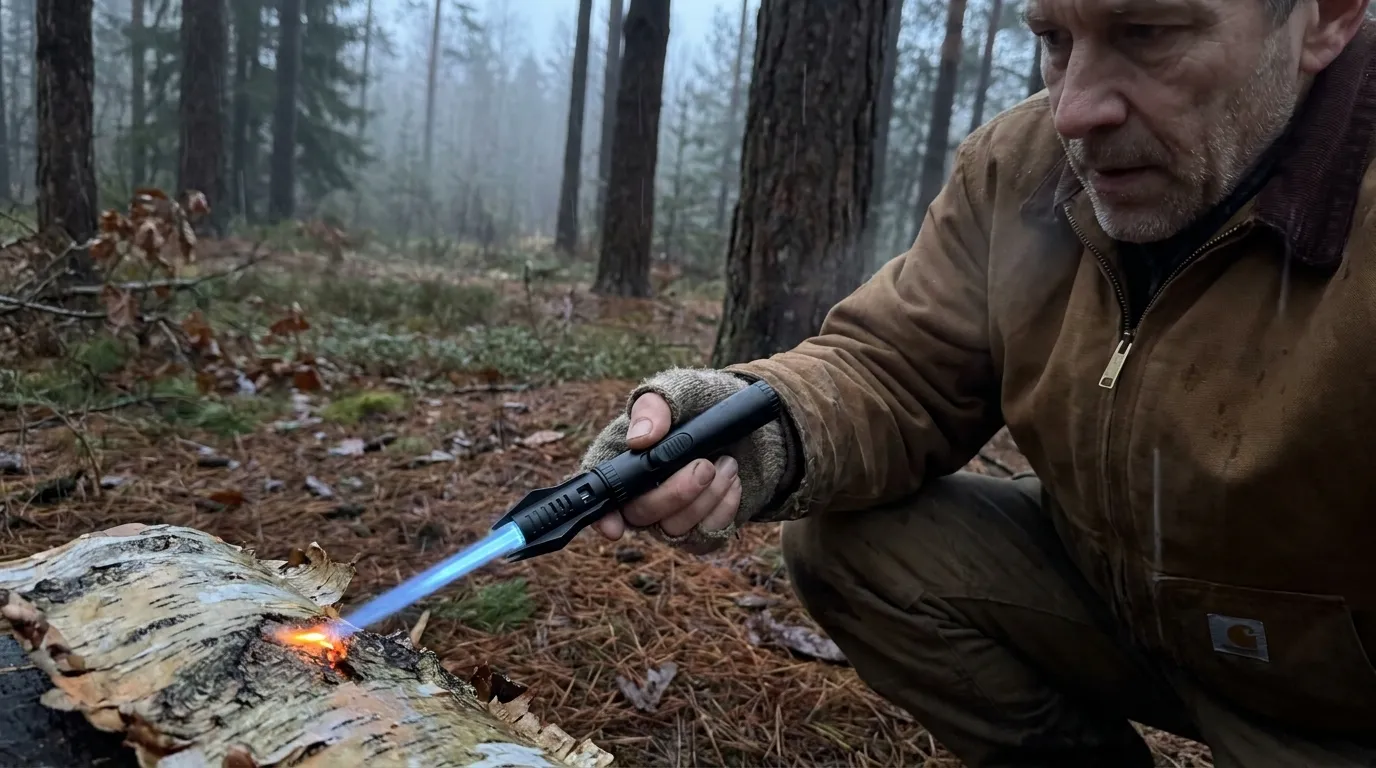
Camping, hunting, fishing, and EDC. Backpacking stoves at altitude. Charcoal in a campfire ring. Smoker chimneys. Tinder in damp wood. The applications where reliability is not a convenience — it is the difference between a hot meal and a cold one.
Emergency and preparedness. Power outage candles. Generator starts on cold mornings. Backup ignition for a propane heater. The kind of utility you do not think about until you need it.
One device. Every ignition task in a typical household and a typical outdoor kit. The dual arc handles all of it because the underlying physics works the same way regardless of what is being lit.
The Cost Math — Why $45 Once Replaces $300 Over Five Years
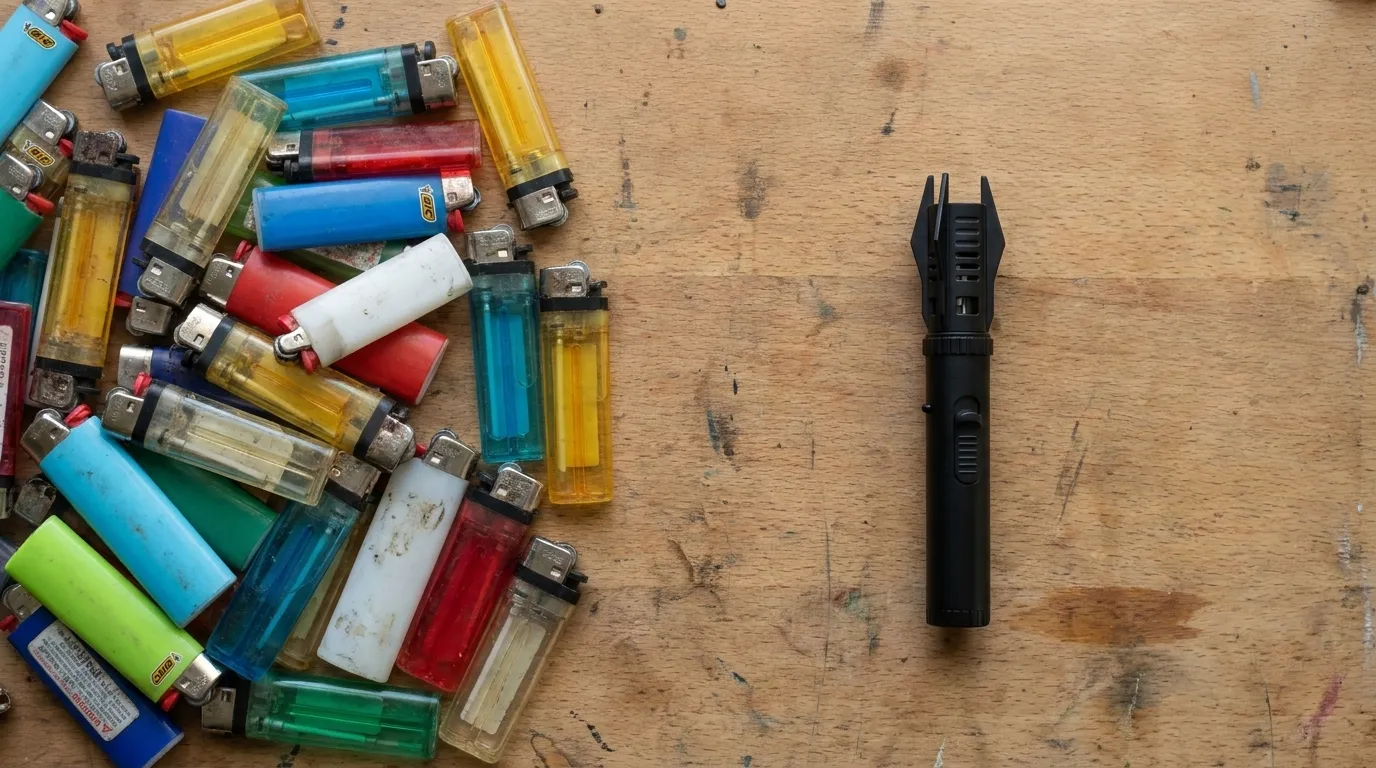
The cost argument for plasma arc lighters is rarely made clearly, but it is the most concrete reason to consider one.
The average household goes through approximately 50 disposable lighters per year — at gas stations, hardware stores, and dollar shops. Average cost per lighter is roughly $2. That is $100 per year in disposable lighters across an average household.
Add the cost of butane refill canisters for the larger lighters in the kitchen and the grill, plus replacement flints, and the average household spends approximately $130 per year on ignition consumables.
One IgniteX™ at $45 with up to 300 ignitions per charge replaces the entire disposable-lighter category. The electricity cost of recharging it from a USB port is approximately $0.01 per month.
Over five years, the math works out to roughly $650 spent on disposables versus $45 spent on a single plasma arc lighter. The payback period on the IgniteX™ purchase is approximately four months for an average household.
Most buyers do not switch to plasma arc lighters for the cost savings. They switch because the lighter actually works in the conditions where they need it. The cost savings are a bonus that few people bother to calculate.
What Owners Are Saying — Field Reports From IgniteX™ Users


Tyler Reynolds, Bozeman, MT:"Hunt elk in the Bridger Range every fall. Standard Bic freezes at altitude before sunrise. The IgniteX fires first click at 12°F. That alone makes it worth the upgrade. The USB charging is convenient — I top it off from the truck every couple of days."

Daniel Bauerle, long-haul trucker, OH:"I used to keep a drawer full of lighters in the cab. Always one of them would be dead when I needed it. Got the IgniteX six months ago and that drawer is empty now. Charges off the cab USB. Just works."

Mei Lindquist, backcountry guide, CO:"I lead winter backpacking trips at altitude. Reliable ignition is a safety issue, not a convenience. The IgniteX has been my primary stove lighter for two seasons. Performs the same at -5°F as it does at 70°F. I tell every client to upgrade."

Mark Sutherland, welder, TX:"I work with high-voltage arcs every day at my job. The technology in this thing is solid. Tungsten electrodes, sealed housing, real safety lock. At $45 it is a fair price. At a gas station you would pay $20 for one that fails inside three months. I have had mine since the spring."

Carla Thompson, grill enthusiast, GA:"Bought this for my husband but I use it more than he does. Lights the gas grill, the smoker, the candles, the fireplace. The dual arc is wide enough to actually catch a wick. I have not bought a long lighter since."

Walter Petersen, retired Navy, FL:"Carried plasma arc lighters in survival kits for years. This is the first consumer version I have used that has the same build quality. Sealed housing, real safety lock, and the battery actually holds its charge between uses. Bought two — one for the boat, one for the truck."
⚠️
Introductory pricing on
IgniteX™ is currently at $45 with the discount applied. This
pricing is part of the launch promotion and is not
permanent.
Claim Your Discount Before It Expires ➤➤
The Bottom Line — Is IgniteX™ Worth The Upgrade?
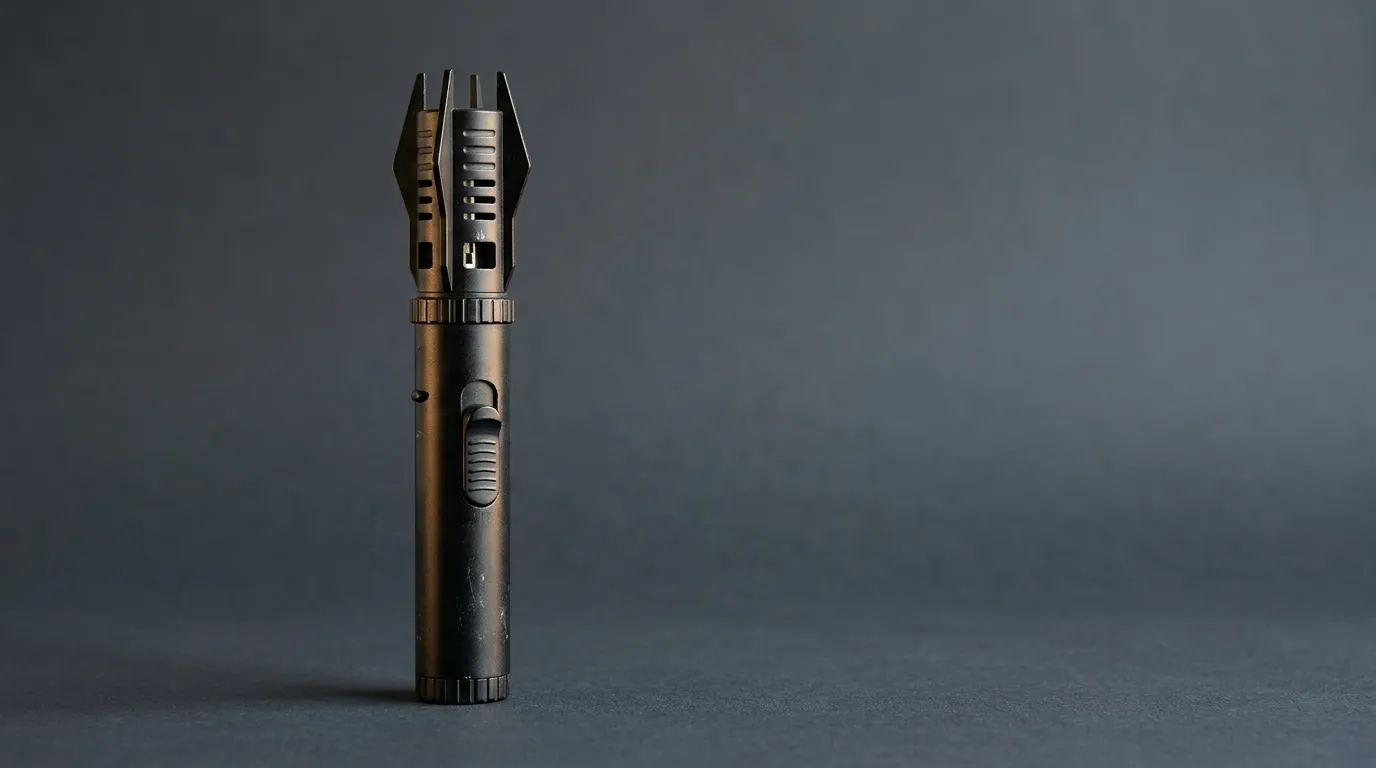
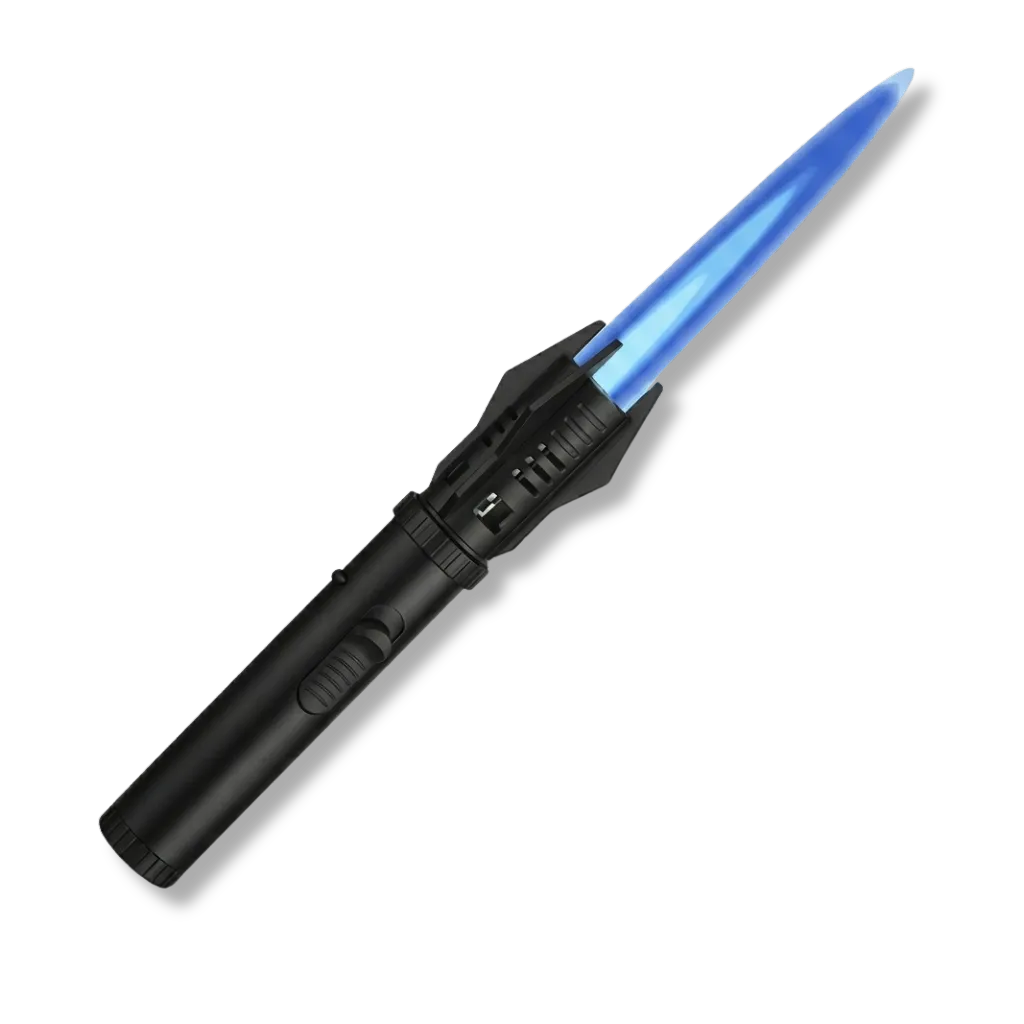
IgniteX™ is a plasma arc lighter built to the higher end of the specifications described in this article: dual-arc configuration, tungsten-tipped electrodes, sealed zinc-alloy housing, slide-lock safety, USB-C rechargeable battery with up to 300 ignitions per charge.
It is not the cheapest plasma arc lighter on the market. It is also not the most expensive. It is built to the specifications that actually matter — the ones most buyers do not know to ask about.
IgniteX™ is currently available at the introductory discount price of $45 with free US shipping and a 90-day money-back guarantee. If after 90 days it has not earned its place in your pocket — contact the company and receive a full refund.
The 1932 lighter design has had a 93-year run. It has not aged well. The replacement uses different physics, fewer consumables, and works in the conditions where the original fails.
Whether the upgrade is worth $45 to you is the only question left. For the people who actually need a lighter to work — the hunters, the campers, the truckers, the guys who work outside in the cold — the answer is usually yes.
TIP : IgniteX™ is currently available at a special introductory price — just $45 — with free US shipping and a 90-day money-back guarantee. Stock is limited — order now before this offer expires.

⚠️UPDATE: As of today's date — High demand has significantly reduced available inventory. Order now at IgniteX™ SPECIAL DISCOUNT + FREE US SHIPPING before stock runs out.
Lock in your order while the discount is active — SPECIAL DISCOUNT + FREE US SHIPPING
NOTE: This price is NOT available on Amazon or in retail stores.











Nathan Whitfield
This is the first article on plasma lighters I have read that actually explained how the technology works. The five things to look for section saved me from buying a $12 piece of junk on Amazon last week. Ordered the IgniteX instead.
LikeReply1.3k12 min